

BOL, OTOK BRAČ (BOL, ISLAND OF BRAČ)
The story of Fani Katić shows that bolski cviti and medenjoci are not just cakes – they are a story of community, love, and identity. In a time when globalization brings uniformity, her work reminds us that authenticity and local heritage have priceless value.
Bol, on the island of Brač, famous for Zlatni Rat beach, carries a rich tradition that has shaped island life for centuries. Yet life on the island has never been easy – the departure of young people and scarcity threaten the preservation of customs, while globalization and tourism bring new trends that risk erasing local identity. That is why the story of Fani Katić is so important.
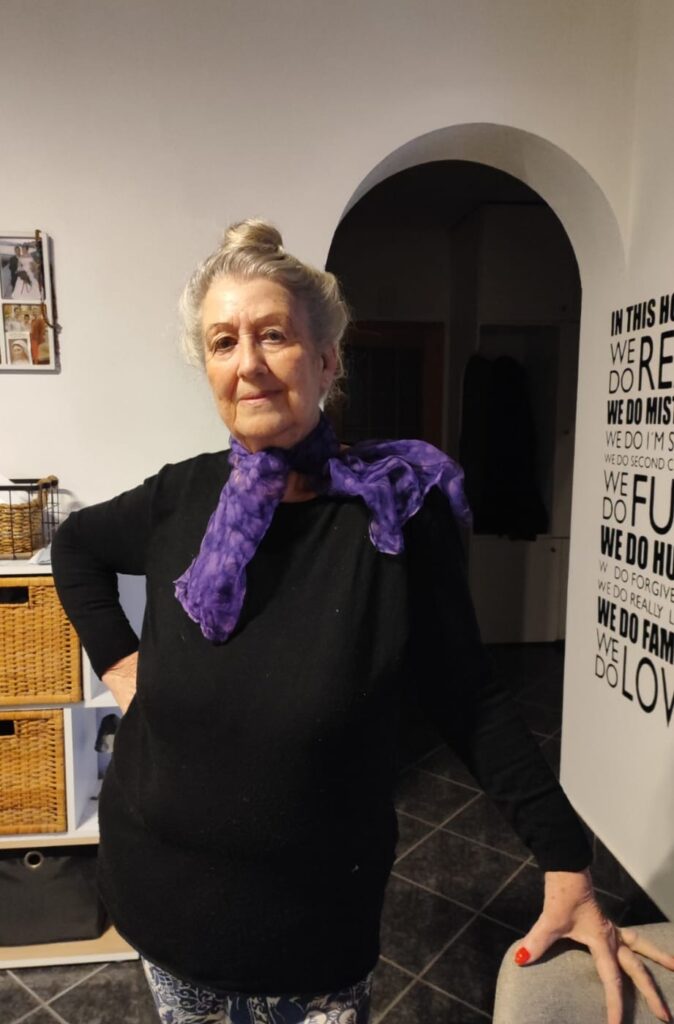
Born in 1942, Fani took her first steps in pastry-making with her neighbor, šjora Lukrica, who baked wedding cakes and often called young Fani to help beat egg whites – since there were no mixers at the time. She was part of the first generation of the secondary hospitality school in Bol, and after finishing school she worked at the Bijela kuća hotel. Over the years, she became a synonym for preserving local gastronomic heritage.
She is best known for making bolski cviti and medenjoci, wedding cakes made from simple ingredients that symbolize love and togetherness. She once prepared up to 500 cviti for charity evenings, while weddings required at least 400 cviti and just as many medenjoci. “Cvȋti su bolskȉ kolõč koji se činȋ kȁl su pȉrovi, bez cvȋtih ti nĩmo pȋra” (“Cviti are Bol’s wedding cake – without cviti, there is no wedding”), Fani emphasizes, reminding us that these cakes are an inseparable part of wedding customs and local identity.
Although weakened after a stroke and tiring more quickly, she never gave up – recently, with the help of her daughter, she prepared 200 cviti for the wedding of a young woman from Bol. Now, at 84 years of age, Fani still works actively, showing remarkable strength and dedication. She has taught several women how to make Bol’s wedding cakes, and some of them have turned this skill into a profession.
At workshops and cultural events, she gathers children and young people, showing them how simple ingredients can be turned into art. “Kad mlodi naučidu kako se cviti oblikujedu, oni ne učidu samo recept, nego i štoriju o našin korijenima” (“When young people learn how to shape cviti, they are not just learning a recipe, but also the story of our roots”), she says, highlighting the importance of education and passing tradition on to new generations.
For the community, Fani is more than a pastry-maker – she is a mentor, an inspiration, and a local food heroine. Her story shows that food can be a bridge between generations, and tradition the foundation of the future.
The story of Fani Katić proves that bolski cviti and medenjoci are not just cakes – they are a story of community, love, and identity. Without cviti there is no wedding, and without tradition there is no community. Thanks to her dedication, Bol continues to preserve its authenticity and pass it on to new generations.

