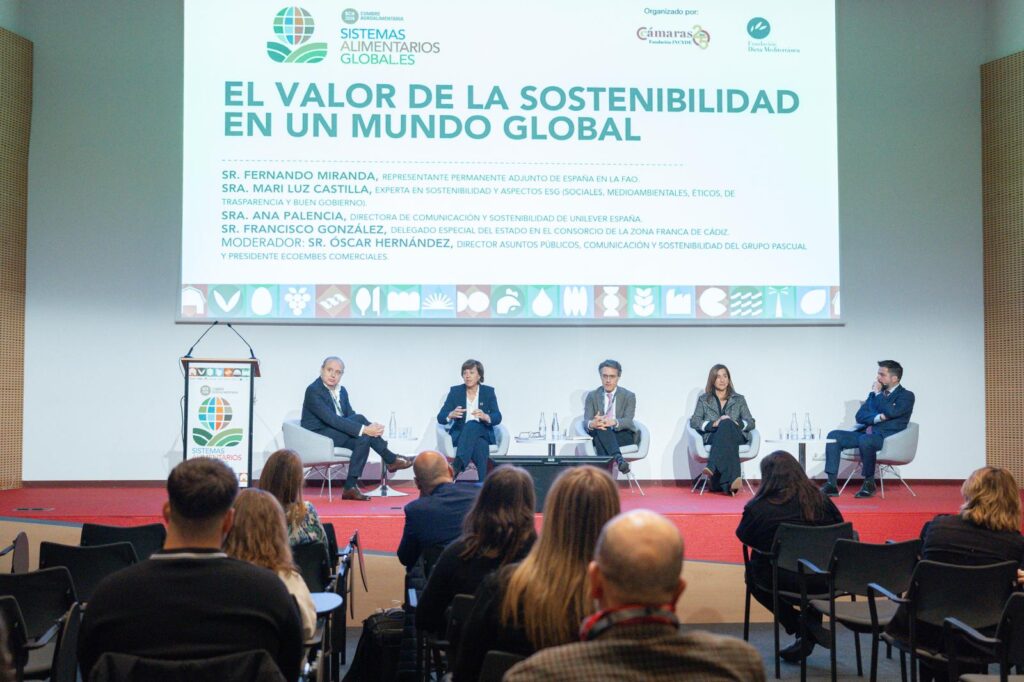
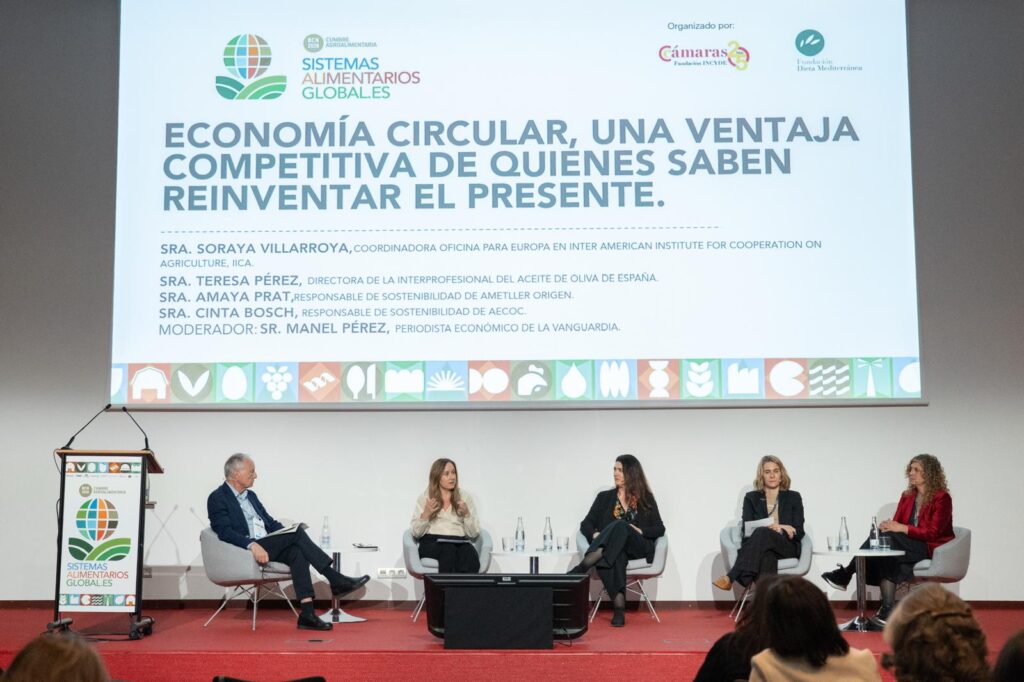
The 2nd Agri-Food Summit, held in Barcelona, highlighted how the Mediterranean Diet attracts opportunities and projects a strong image.
The preservation and promotion of cultural heritage have become some of the most effective tools for driving economic development, strengthening the identity of a territory, and projecting its value beyond its borders.
These topics were addressed during the 2nd Agri-Food Summit: Global Food Systems, held in Barcelona on March 23 and 24. The international forum was organized by the Mediterranean Diet Foundation.
Culture, tradition, agri-food and gastronomic heritage are valuable assets for the future. In this regard, the Mediterranean Diet represents a hallmark of identity capable of generating economic value, attracting opportunities, and projecting a strong and recognizable image in international markets. In the case of Spain, agri-food heritage and the Mediterranean Diet constitute one of our main distinguishing features: a unique combination of knowledge, territory, sustainability, and lifestyle recognized worldwide.
The Spanish agri-food sector is a clear example of how tradition and innovation can become a genuine economic engine. Preserving our products, production methods, agricultural landscapes, and cultural habits not only protects a shared heritage but also boosts tourism, strengthens exports, revitalizes rural areas, and creates employment. Investing in this heritage also means enhancing business competitiveness and consolidating a national brand associated with quality, authenticity, and excellence.
Internationalization plays a decisive role in this process. When a company expands abroad, it exports not only products but also culture, identity, and values. Every food product and every gastronomic tradition acts as an ambassador for its territory and contributes to strengthening Spain’s international reputation. The
Mediterranean Diet perfectly embodies this ability to transform cultural heritage into a tool for global projection and economic development.
However, preserving this heritage requires strategic vision and sustained investment. The regeneration of productive fabric, the incorporation of new generations, digitalization, and innovation are essential to ensuring that our traditions remain competitive and relevant in an increasingly demanding global market. The objective is not to preserve the past in a static way, but rather to reinterpret it and project it into the future.
In this context, events such as the Agri-Food Summit provide an opportunity to reflect on how cultural heritage can become a lever for territorial transformation.
Because preserving and promoting our heritage is not merely a cultural issue: it is a strategic decision with economic, social, and territorial impact. Wherever identity is protected, value is created. Wherever culture and tradition are promoted, the economy is strengthened, reputation is enhanced, and the future is built.
www.sistemaalimentarioglobal.es