During its 2026 presidency, the Greek community welcomed the network for two days of dialogue, cultural visits and shared meals, with education and the transmission of living heritage at the heart of the programme.
Koroni, Greece, hosted the 16th Intergovernmental Meeting of the Emblematic Communities of the Mediterranean Diet, bringing together representatives from across the network to discuss the safeguarding and promotion of their shared cultural heritage.
Held within the framework of Koroni’s 2026 presidency, the gathering connected institutional discussions with community activities and visits across Messenia. The programme explored how food traditions link agricultural production, local economies, environmental protection and the transmission of knowledge to younger generations.
The network brings together Agros in Cyprus, Brač and Hvar in Croatia, Koroni in Greece, Pollica–Cilento in Italy, Chefchaouen in Morocco, Tavira in Portugal and Soria in Spain. Their cooperation supports the safeguarding of the Mediterranean Diet, inscribed on UNESCO’s Representative List of the Intangible Cultural Heritage of Humanity.
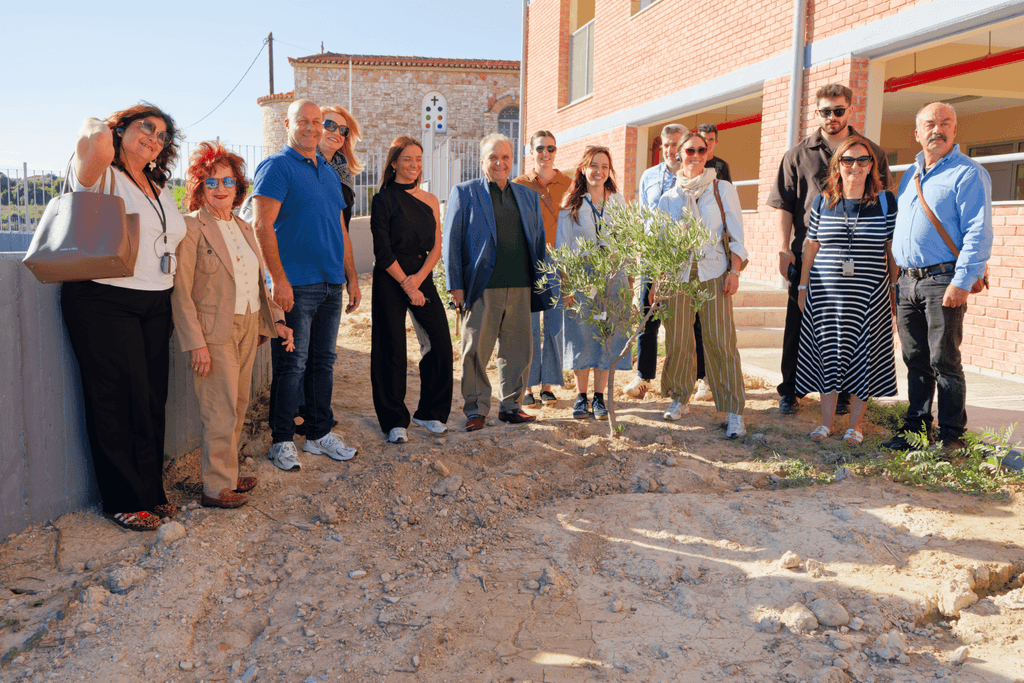
One of the gathering’s most symbolic activities took place at Koroni’s new secondary school, where seven olive trees were planted to represent the network’s seven Emblematic Communities. Different olive varieties formed a small grove celebrating the cultural connections between Mediterranean societies. Its location within a school linked this shared heritage directly to education and future generations.
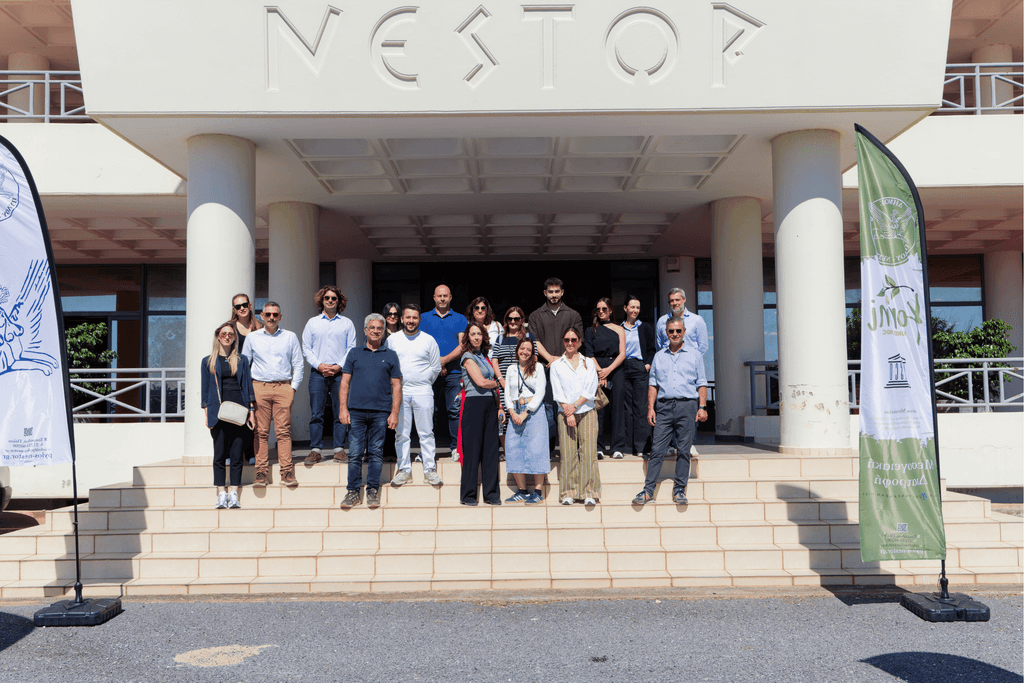
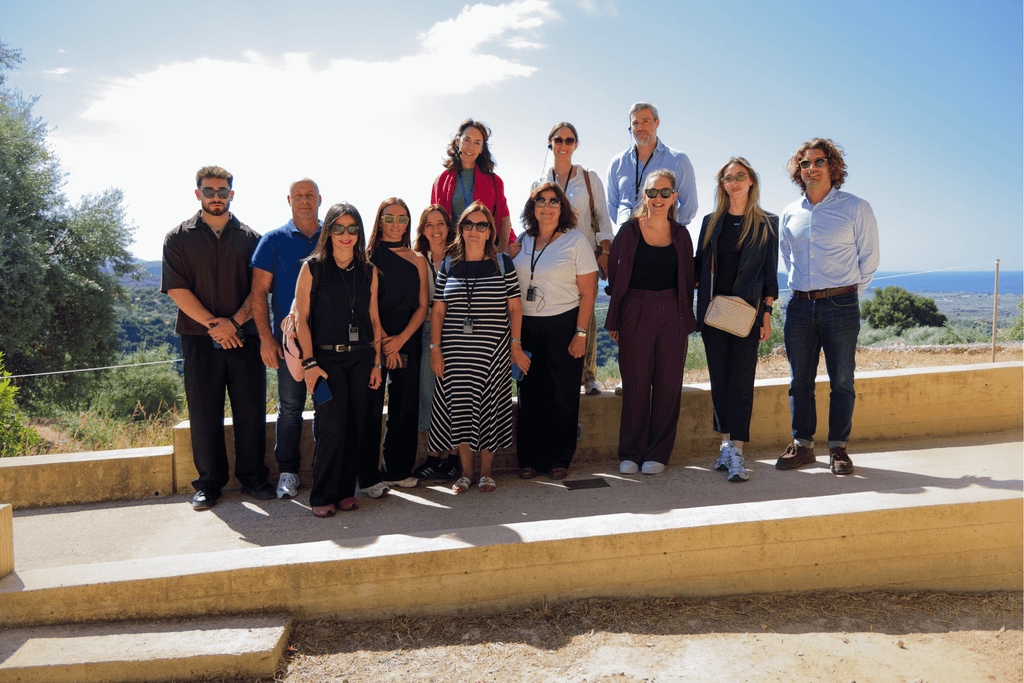
The programme also introduced delegates to the historical landscape and agricultural traditions of the Municipality of Pylos–Nestor. Visits included the Palace of Nestor, the Nestor winery, where participants learned about local wine production, and Methoni Castle.
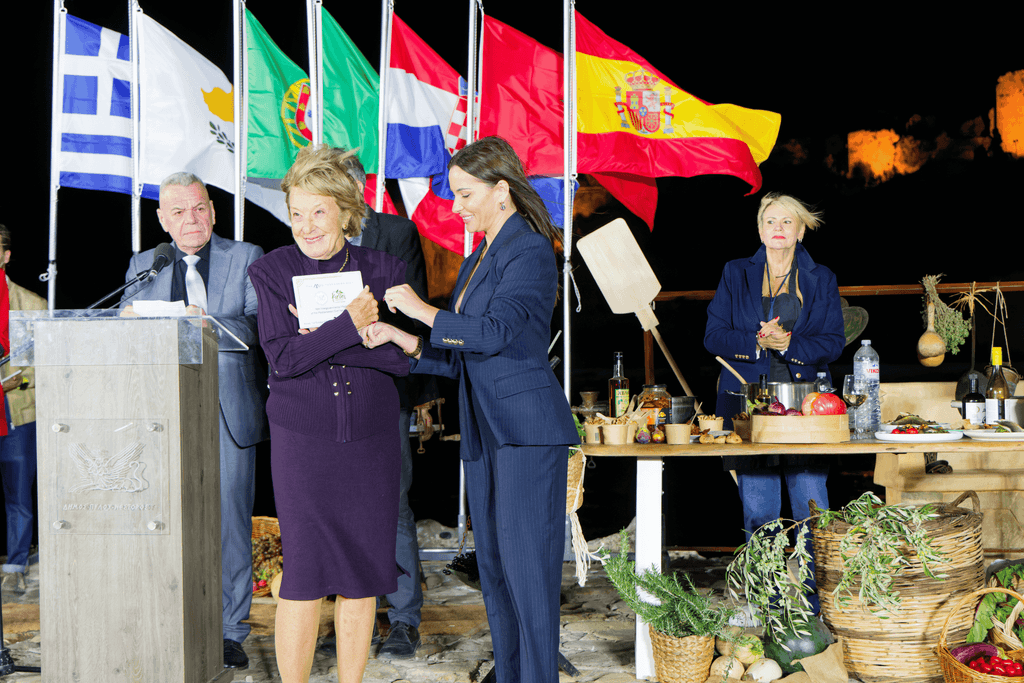
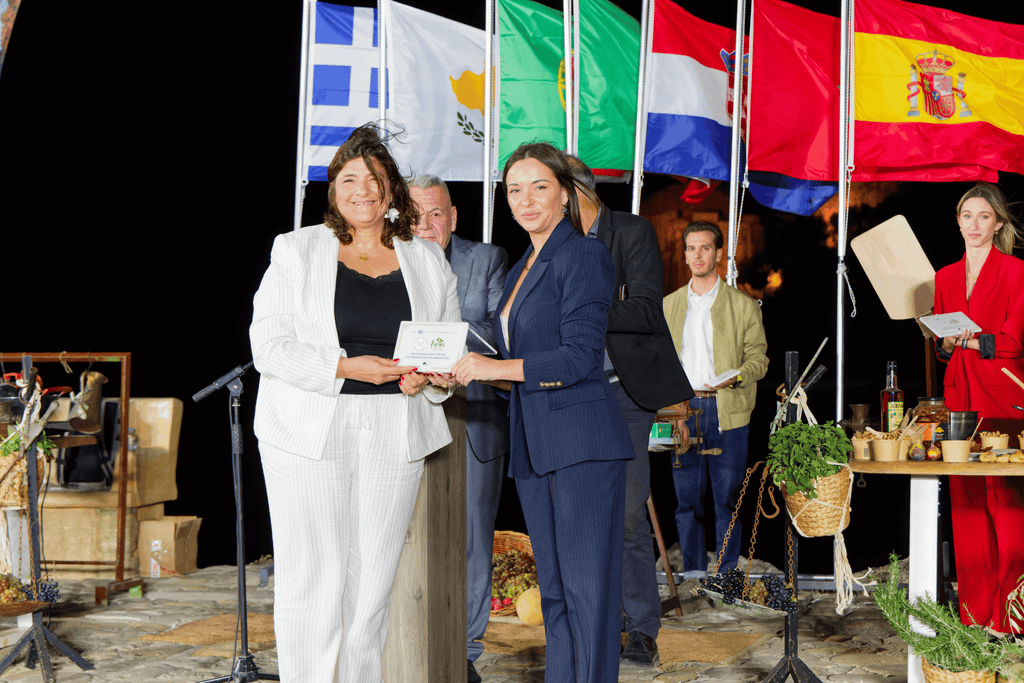
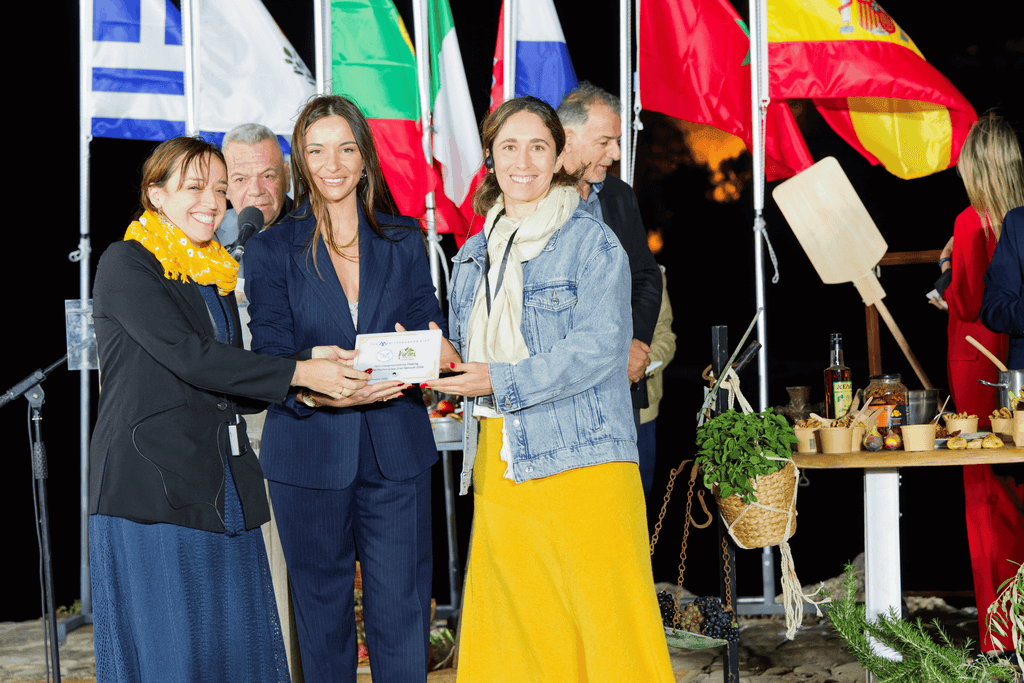
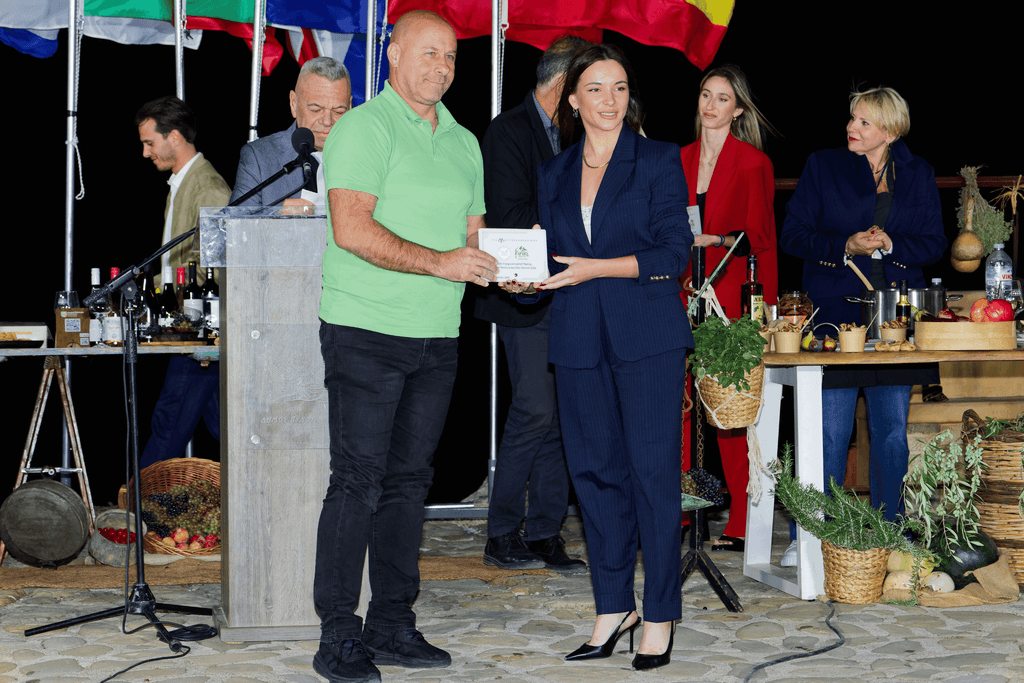
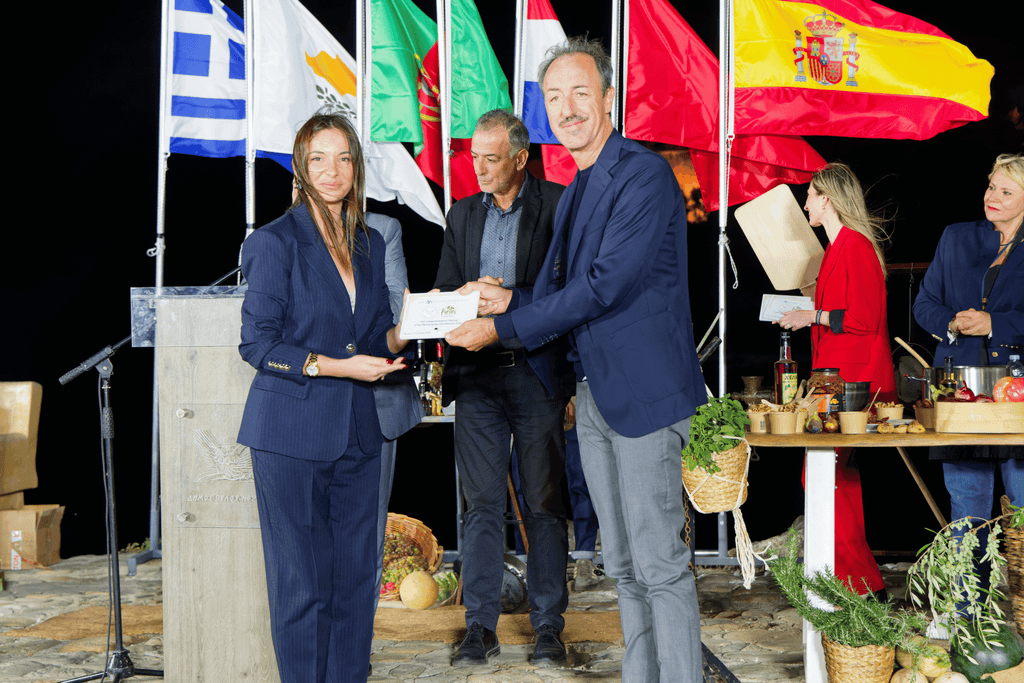
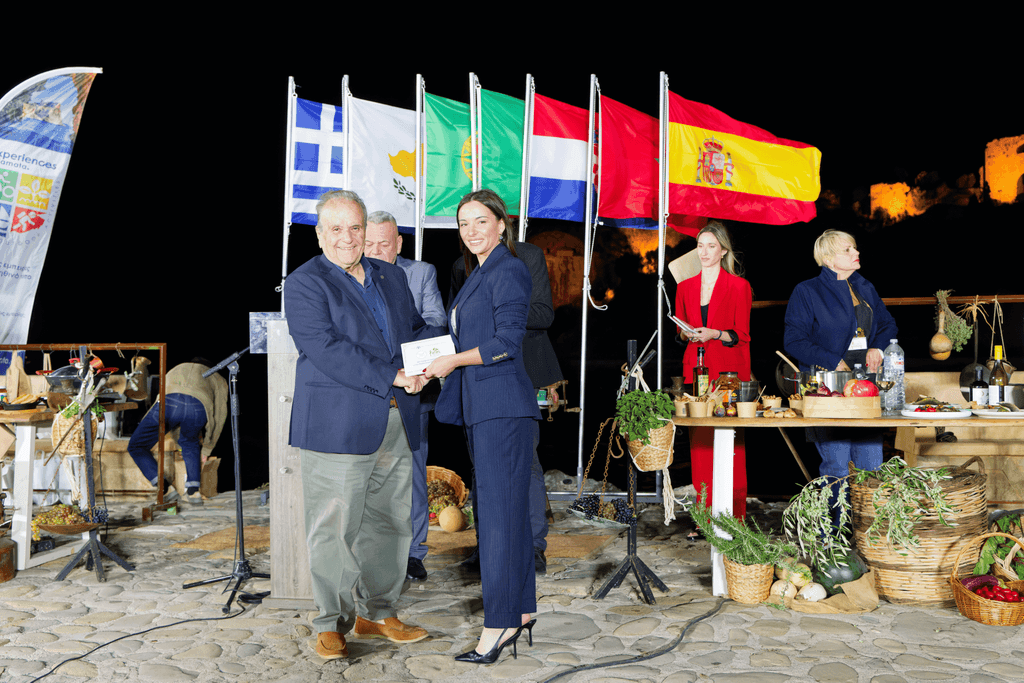
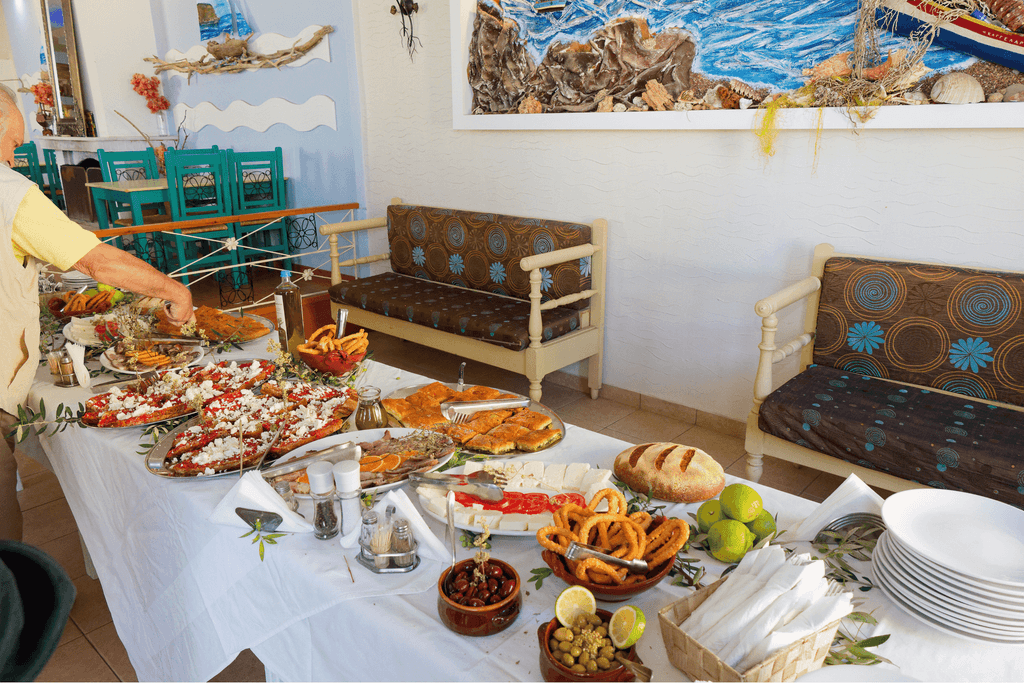
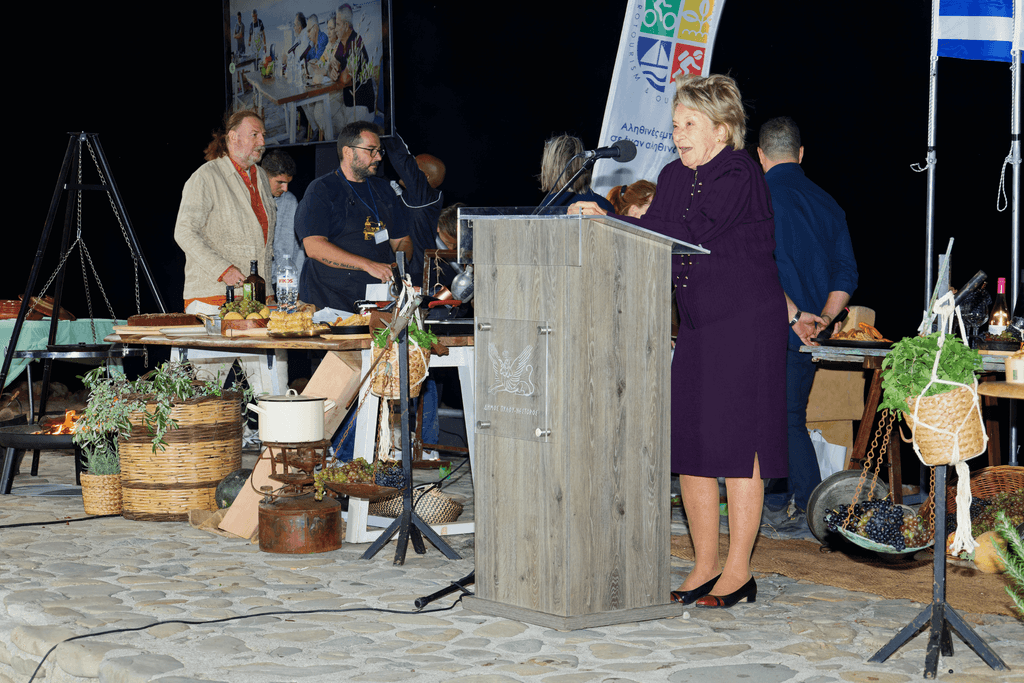
On the evening of 1 October, the meeting opened out to the wider community with a public celebration at Koroni’s harbour. A large shared table brought together local products and traditional flavours, welcoming residents, visitors and institutional representatives. The Messinia catering association and cultural associations from Koroni and Vasilitsi contributed local dishes, placing the knowledge and participation of the host community at the centre of the occasion.
Among those attending were Greece’s Deputy Minister of Rural Development and Food, Giannis Andrianos, and Antonia Trichopoulou, Professor Emerita at the Medical School of the National and Kapodistrian University of Athens and a member of the Academy of Athens.
In his address, Andrianos emphasised the connections between the Mediterranean Diet, sustainable agriculture and regional development. He highlighted the contribution of scientific knowledge to understanding the quality and nutritional value of local products, adapting crops to climate change and protecting biodiversity. Stronger links between farming, food processing, gastronomy and tourism, he explained, can help create greater value for producers and local economies.
Education and the transmission of traditions were also central to his remarks, alongside cooperation between the Emblematic Communities to safeguard the Mediterranean Diet and increase its international visibility.
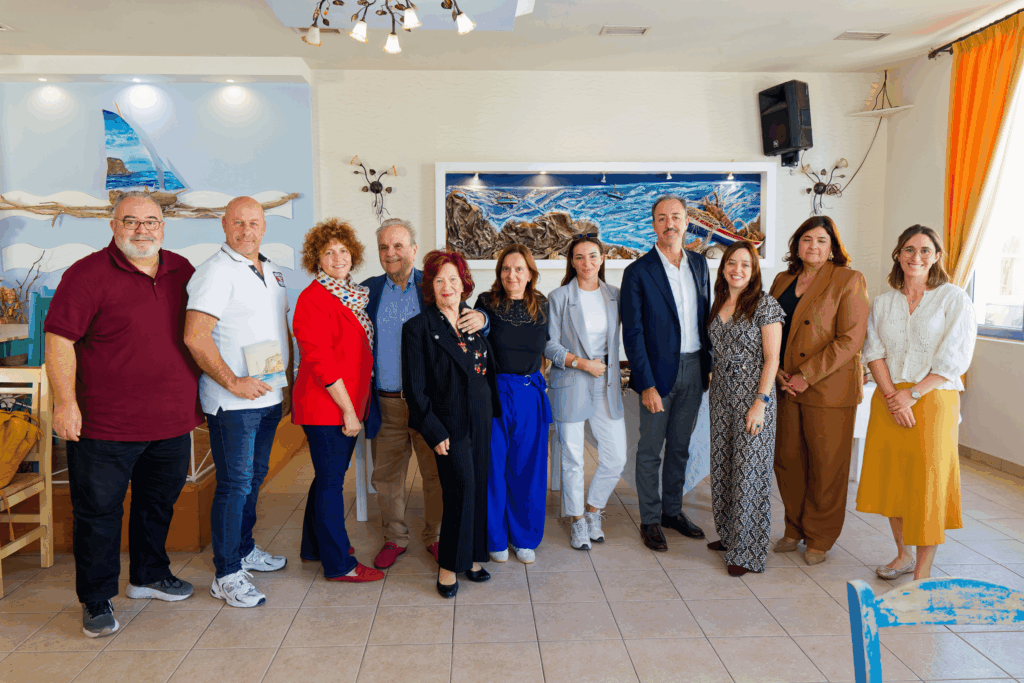
On the second day, the Maniatakeion Foundation hosted part of the programme in its Tarsouli Hall, with network representatives participating both in person and online. The Foundation’s involvement continued its work supporting Koroni’s cultural identity and its role within the network.
The gathering offered an opportunity for the Emblematic Communities to exchange experiences and explore the connections between cultural heritage, education and local development. Through institutional dialogue and community participation, the programme highlighted the shared work of safeguarding the Mediterranean Diet and passing on the knowledge, practices and traditions that sustain it across generations.