

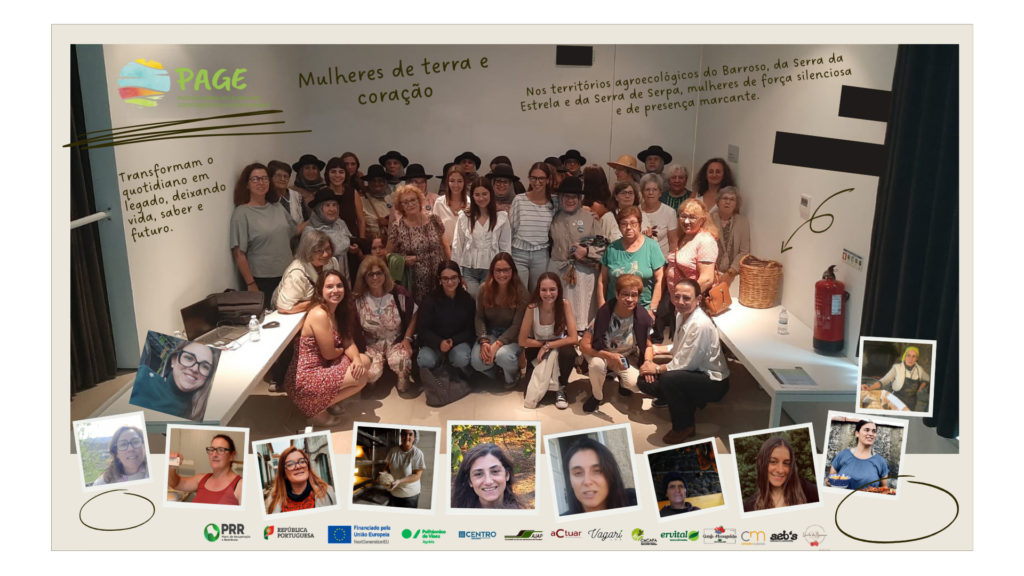
Agriculture has always had a woman’s face. A face shaped by sun, wind and seasons, where time has left marks that are also traces of deep, embodied wisdom. Looking at these women, whose photographs accompany this text, is to recognise the memory of cold dawns and a silent persistence that sustains life; it is to see a face in which the land has learned to recognise itself and to trust.
The Mediterranean diet, recognised by UNESCO, goes far beyond nutrition: it encompasses agricultural practices, traditional knowledge and sustainable food systems. At the heart of this model is family farming, where women have always been the guardians of seeds, crops, animals and families, through rhythms and gestures that, although repeated, confronted new challenges every day. From sunrise to sunset, women farmers sowed much more than fertile fields: they sowed continuity, future and a sense of belonging.
However, for decades, development models were highly centralised and narrowly focused solely on economic production, leading to the exclusion and invisibility of rural women. For decades, their presence was naturalised and forgotten, as if the foundations of collective survival could remain nameless and unseen. Many rural women still remain invisible in statistics and lack full access to land ownership, recognition or social protection.
It is within this context that the PAGE project plays a vital role, closely aligned with the principles of the Mediterranean Diet, which aim, among other objectives, to strengthen social capital and promote women’s empowerment. Today, women farmers remain in the countryside, but they are also present in laboratories, associations, cooperatives and universities. The hoe coexists with technology, and traditional knowledge engages in open dialogues with scientific innovation. Women farmers are also entrepreneurs, researchers, decision-makers, leaders and transformers, but above all they keep sustain a living connection to the land, while shaping responses to the challenges of contemporary agriculture.
For these women, caring for the land is not an act of domination, but a relationship of alliance, reciprocity and attentive listening. Their hands have sustained the land as one sustains a child, with firmness and dedication, without expectation of recognition or applause. Their continued presence in rural areas stands as a pillar that supporting invisible temples of intergenerational biocultural memory, which today translate into the living architecture of everyday life and guarantee the subsistence of entire communities.
In this International Year of Women Farmers, celebrating these women is, above all, an act of justice, recognition and collective memory. Tradition does not disappear; it transforms, adapts, and renews itself. Women farmers are the bridge between past and future, sustained by the biocultural memory they safeguard while simultaneously experimenting with innovative agroecological solutions.
Recognising these women, giving them a name, a face and a voice, means acknowledging that without them no land can truly flourish, nor can history that endure. It is time to ensure that their legacy continues to shape a more sustainable, balanced and humane collective future.
This text is a collective construction and goes beyond its authors, drawing on contributions from women interviewed for the PAGE project and those who are part of its consortium. Among them, one woman is especially acknowledged: a scientist and teacher whose generous wisdom and teaching inspire, challenge and encourage the continuous deepening of knowledge.
Watch the project’s video on YouTube.
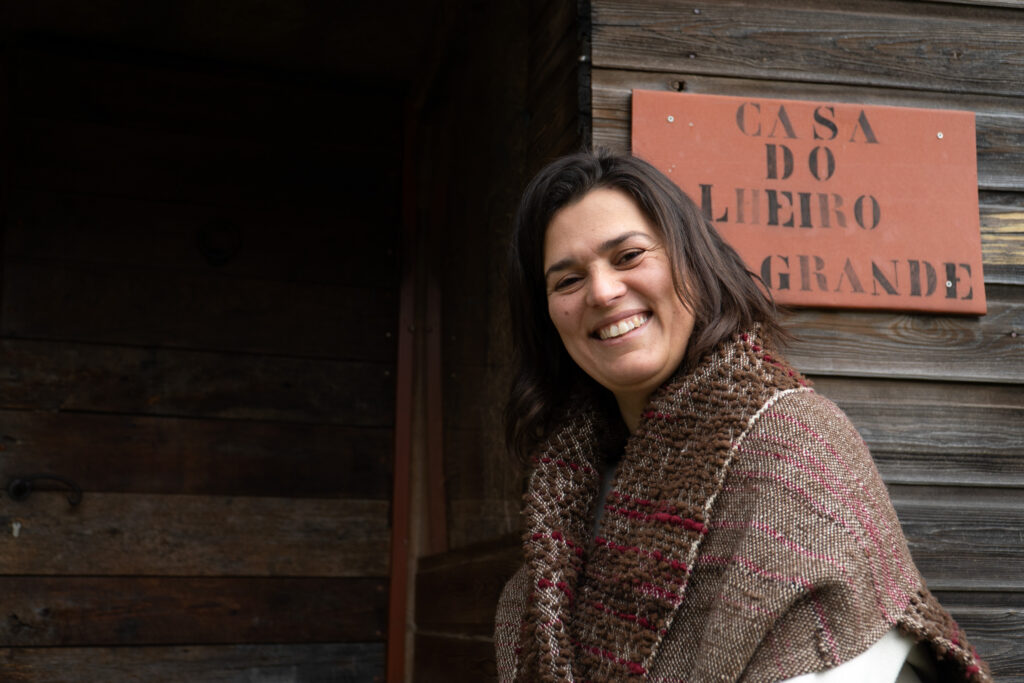
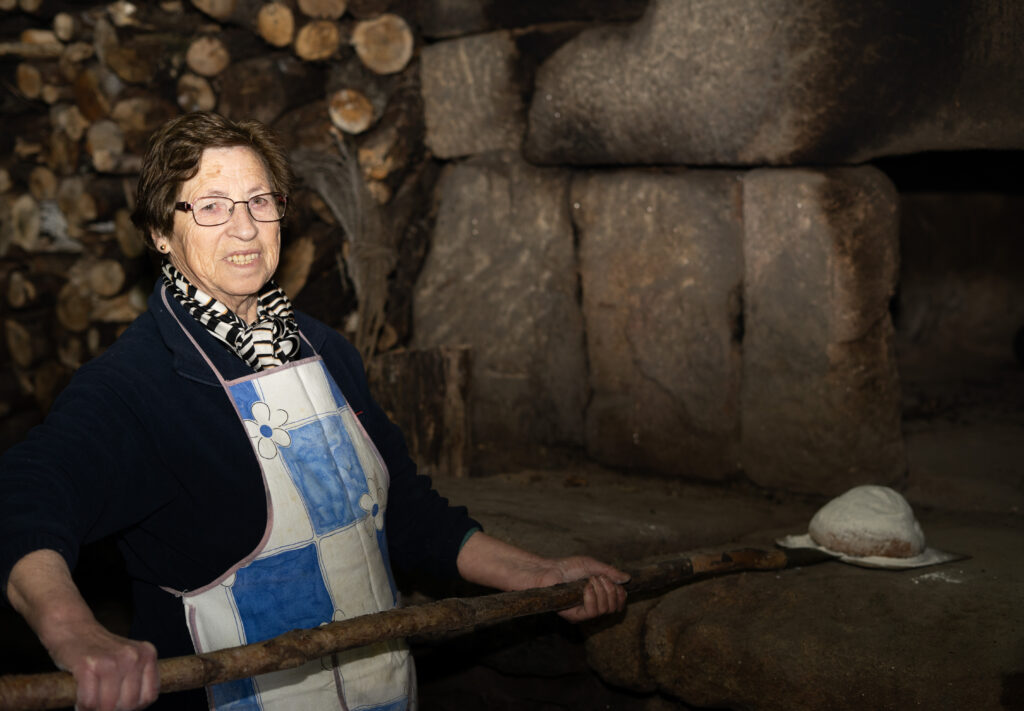
© Photographs in “PAGE – Agricultural and Food Landscapes with Generations of Innovative Women” IPV-ESAV. Produced by Lengalenga Filmes, Image; Editing; Sound Design: Miguel Cortes Costa. Sound Recording; Motion Graphics: Carolina Castro Almeida

